Objective Insight for Operators
When timing matters, consistency matters.


Aviation: Pilots & Flight Crew
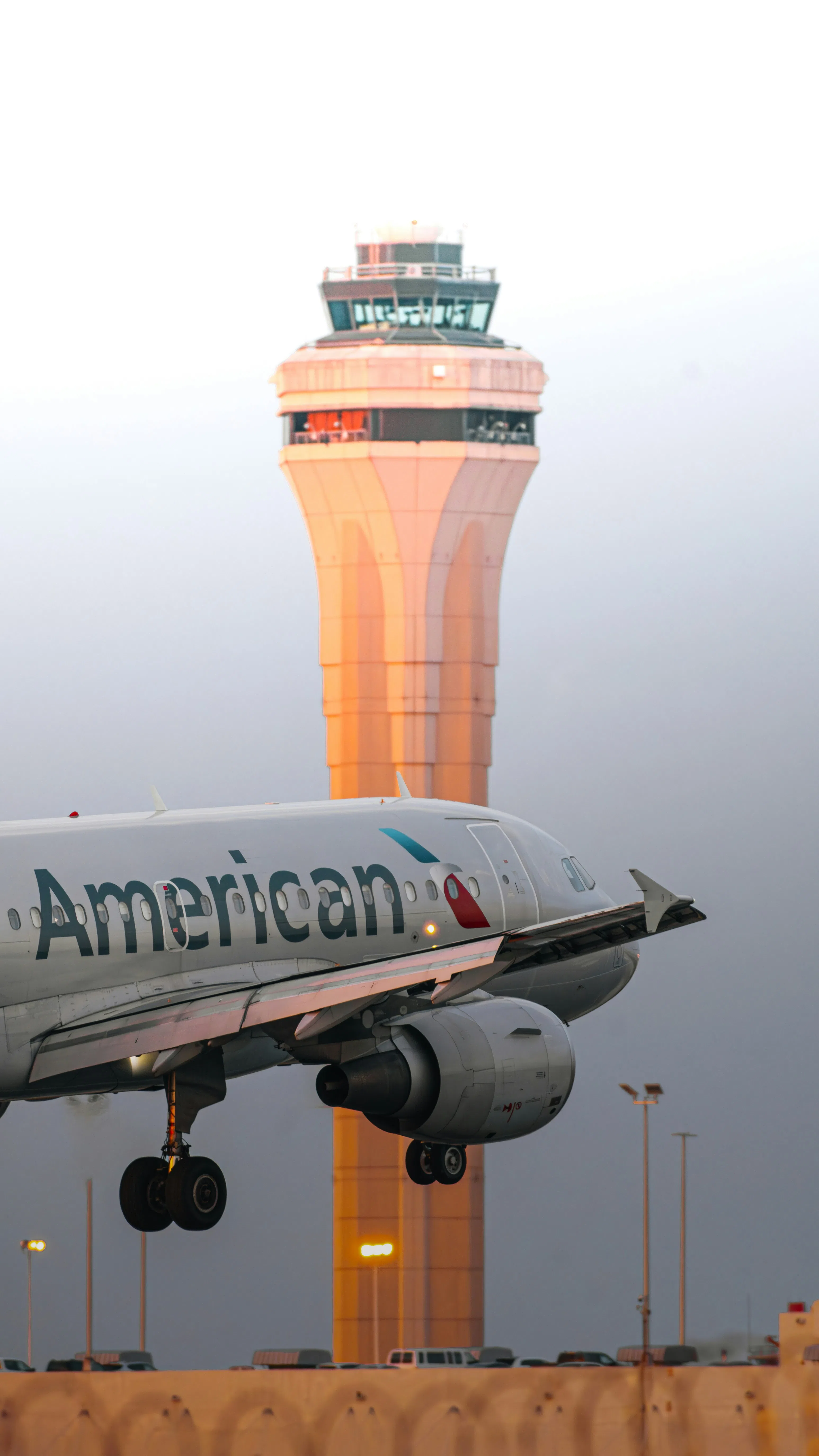
In aviation, changes in response consistency and decision speed can influence how workload is experienced in the cockpit. DARTS provides pilots and flight crew with a short, structured snapshot of how they are processing information at a given moment, whether before or after training sessions, simulator blocks, or demanding duty periods.
It is not a certification or fitness-to-fly tool. Instead, it provides an additional layer of insight. Over time, crews can observe how consistency, fatigue, situational demands, and training interact, supporting more informed self-reflection and human-factors understanding.
Air Traffic Control (ATC)
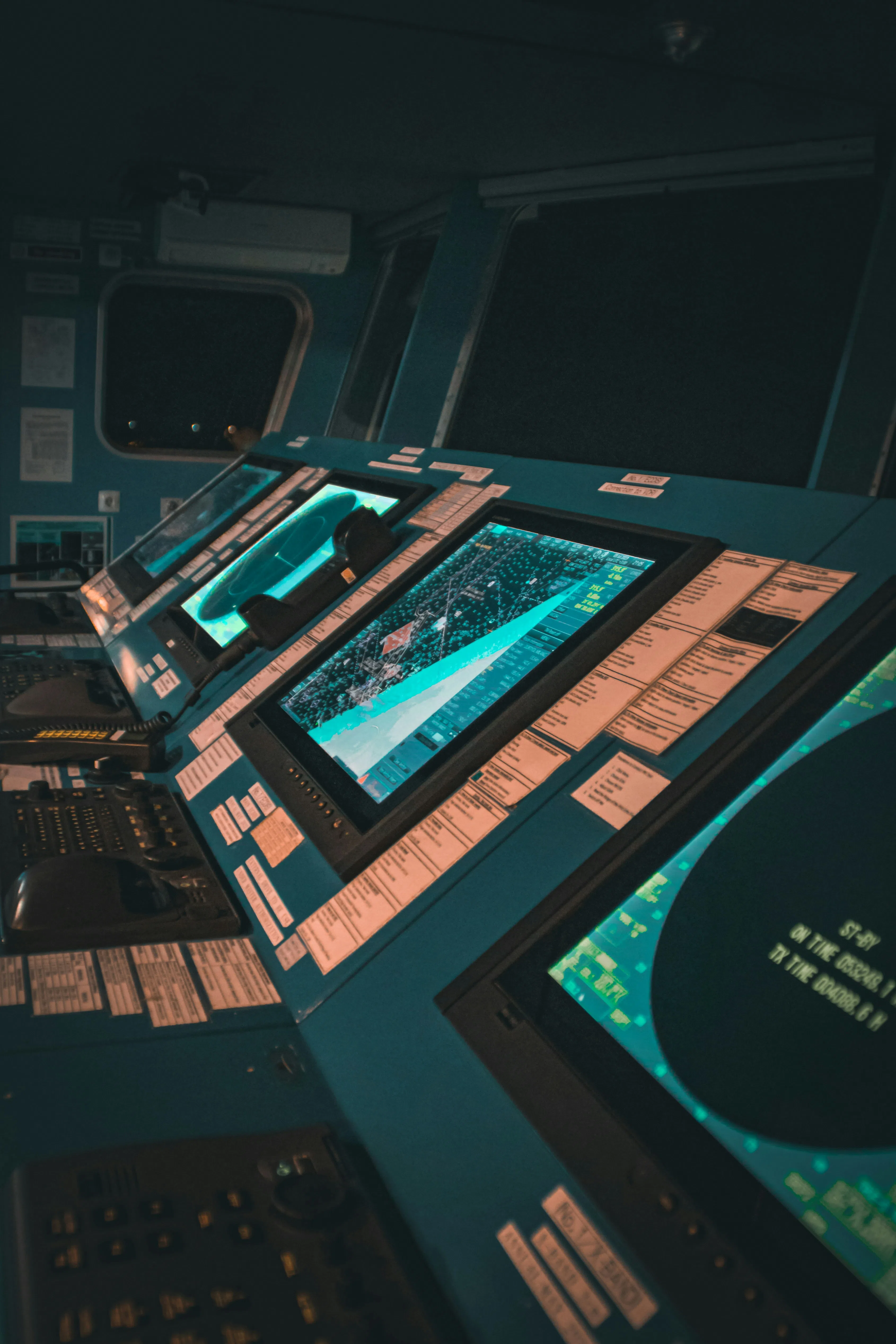
Air traffic controllers operate in high-stakes environments where rapid visual detection, prioritisation, and decision-making are essential. DARTS provides objective timing profiles that help illustrate how controllers process information under different workload conditions, shift patterns, and operational scenarios.
These measurements can complement training programmes, workload management strategies, and human-factors research, adding objective behavioural timing data alongside existing operational metrics and simulator performance.
Rail & Metro: Drivers & Signalling
Rail operations often involve long periods of routine monitoring punctuated by rare, high-importance decisions. DARTS helps teams explore how drivers and signallers respond to visual changes, how consistent those responses remain across shifts, and how training or experience may influence performance.
Rather than evaluating competence, DARTS provides an additional perspective that can support simulator training, human-factors programmes, and reflective discussions within operational teams.
Maritime and Extreme Conditions: Bridge Teams, Ports and Vessel Traffic Services (VTS)
Bridge officers, harbour pilots and Vessel Traffic Services (VTS) operators often work in environments that demand sustained situational awareness. Long periods of routine monitoring can be followed by moments where rapid perception and decision-making are critical, whether at sea or in other extreme operational settings.
DARTS provides a portable way to explore how perception, response consistency and decision speed may vary during long watches, demanding conditions, training periods or busy operational phases.
These measurements can support discussions around workload, coordination and operational readiness, strengthening human-factors understanding without evaluating individual performance.
Road Transport and Logistics: Professional Drivers and Fleets
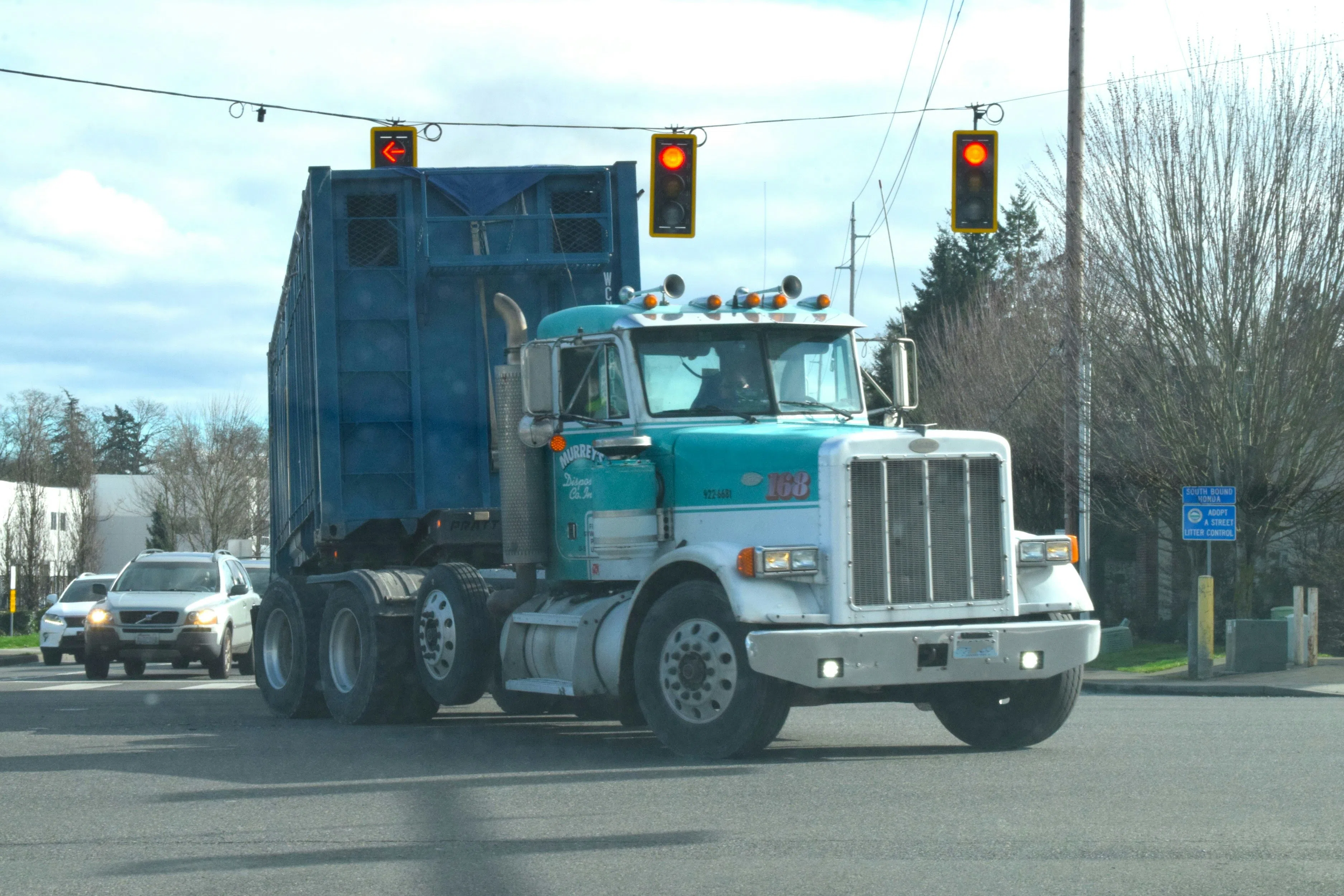
For professional drivers, small changes in attention or response consistency can accumulate during long or demanding shifts. DARTS provides a short snapshot before or after duty, helping drivers and fleet managers explore patterns over time.
These measurements can support coaching, wellbeing and fatigue-management programmes, adding behavioural timing data alongside telematics, shift logs and real-world driving experience.
Emergency Response and Extreme Environments
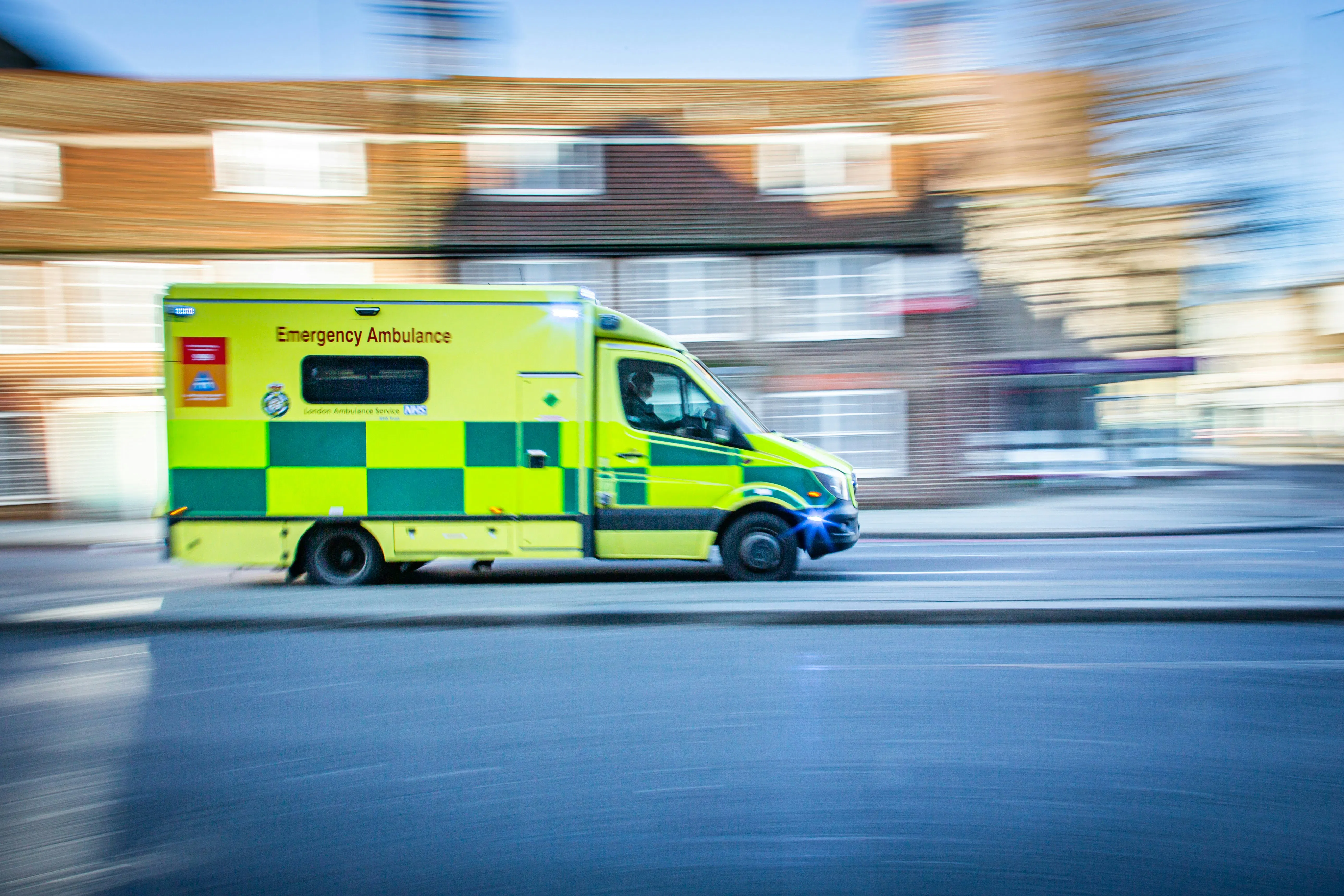
Emergency responders and personnel operating in remote or demanding environments face unpredictable situations that require rapid perception, prioritisation and decision-making. DARTS provides a repeatable way to explore how response consistency and decision speed may vary across shifts, training cycles, environmental conditions or critical incidents.
These snapshots can support discussions around resilience, readiness and workload in challenging operational contexts, strengthening human-factors understanding without evaluating individual performance.
Mission Control and Defence Operations
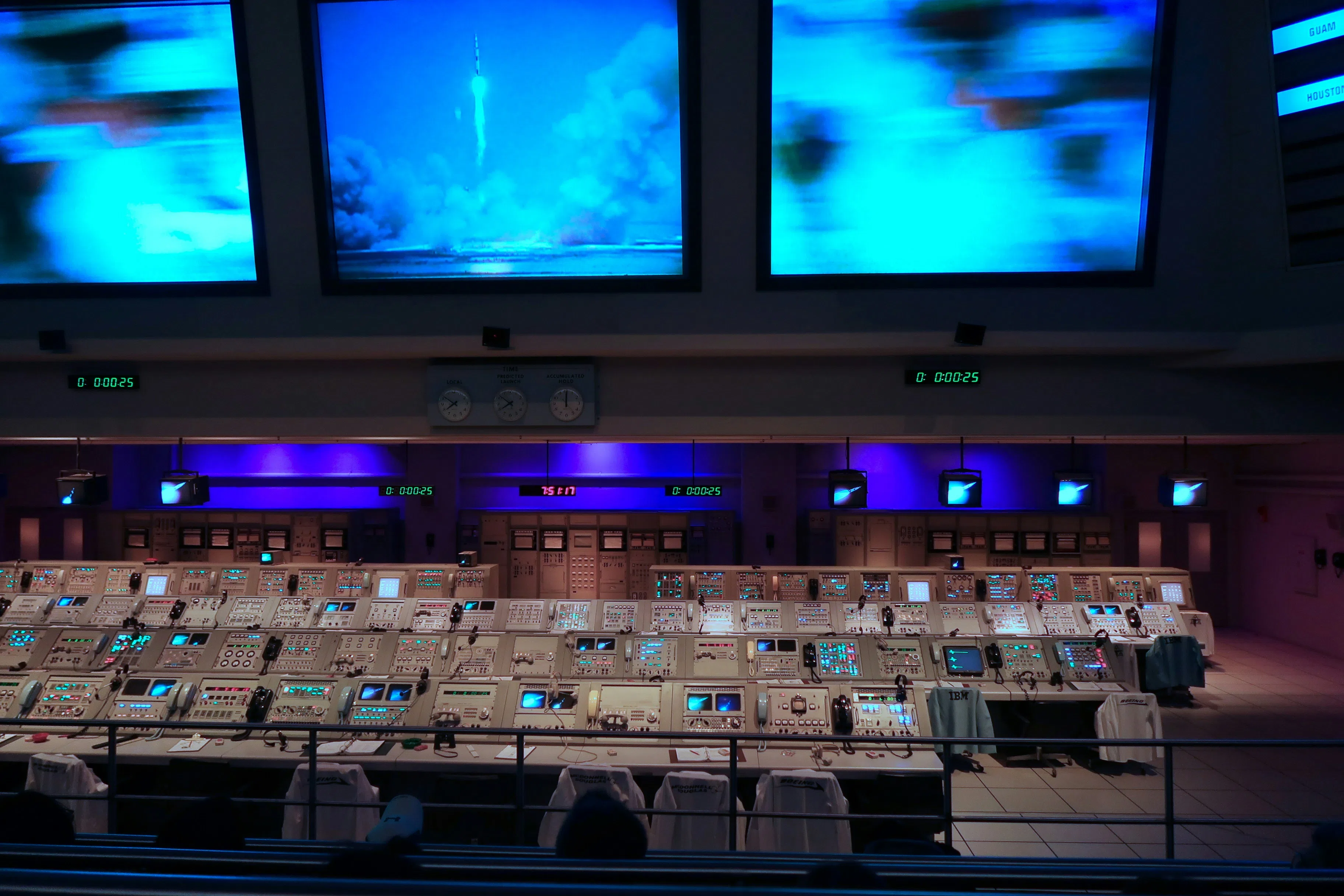
Supervisory control environments such as mission control, defence monitoring, energy utilities and operations centres involve high responsibility and complex situational demands. Operators must detect, prioritise and respond to multiple information streams under time pressure.
DARTS helps teams explore how response consistency and decision speed may vary across workload levels, shift patterns, fatigue or system conditions. These measurements provide structured behavioural insight that complements existing technical and operational data.
Understand the human element behind complex systems.
Checklists, procedures and technology have driven huge improvements in transport safety. But in the cockpit, on the bridge, in control rooms and behind the wheel, outcomes still depend on human perception, decision-making and action under pressure. DARTS provides a portable way to measure these processes with high resolution.
DARTS is not a certification tool. It provides structured, high-resolution timing data to support training, human-factors programmes and safety investigations.
Because transport safety is not only mechanical. It is human.
Modern transport systems generate vast amounts of technical data. DARTS complements this by focusing on the human in the loop, with structured tasks that reveal how perception, decision and motor execution change with training, fatigue, workload and context.
The same incident risk can have different human causes
Two operators might both be involved in “late response” events, but for different underlying reasons:
- Perceptual: delayed detection of changes on screens, instruments or out-the-window views.
- Decision: hesitation between competing options, especially in ambiguous scenarios.
- Motor: slower execution even when the decision is clear and on time.
Practical for training, selection and fatigue programmes
With a portable device and standardised protocols, DARTS can be used in:
- Initial and recurrent training environments for pilots, drivers and bridge teams.
- Selection or developmental programmes as one component among many.
- Fatigue and shift-work studies, including before/after or start/end-of-duty comparisons.
- Human-factors research partnerships with universities or safety institutes.
The data it generates is designed to sit alongside existing metrics – not to replace established procedures or regulatory frameworks.
Where DARTS fits in operations and training.
From a single training centre to multi-site fleets, DARTS is flexible enough to support local initiatives and broader human-factors programmes.
Aviation & air traffic control
- Complement simulator and line training with structured timing profiles.
- Study how workload, time-of-day and scenario type affect response patterns.
- Support research on crew resource management and decision-making under uncertainty.
Rail, metro & signalling
- Explore operator response patterns to signal and control changes.
- Compare profiles at different stages of training and experience.
- Contribute to human-factors investigations and safety improvement projects.
Maritime, ports & logistics
- Bridge team and VTS (Vessel Traffic Service) human performance studies.
- Monitoring decision and attention patterns under busy and quiet traffic periods.
- Combining DARTS metrics with voyage data recorders and operational logs.
Road, emergency response & extreme environments
- Professional drivers and emergency response teams working under time pressure.
- Oil & gas, mining and remote operations where small slips can have large consequences.
- Partnerships with safety and research bodies to design and evaluate interventions.
From one training centre to whole fleets.
Start with a single kit in a training or human-factors team, and grow towards wider deployment across operations, fleets or regions as value is demonstrated.
We offer:
- Single-site kit (1–2 devices): ideal for training centres, safety teams or pilot projects.
- Fleet / network pack (5–8 devices): for use across multiple depots, vessels or bases.
- System pack (10+ devices): for large operators, regulators or collaborative research programmes.
Each can be configured as:
- DARTS Behavioural: visual stimuli and response timing only – suitable for most training uses.
- DARTS + EMG (optional): add muscle activation timing for specific research or specialist projects.
- DARTS + EMG + EEG (research-grade): for advanced human-factors labs and academic collaborations.
Explore DARTS in your safety programme.
We work with training, safety and human-factors teams to identify where DARTS can add value without disrupting existing procedures or regulatory frameworks.
Good starting conversations:
- Heads of training or crew development.
- Safety and human-factors leads in transport organisations.
- Regulators or research partners exploring new human-performance metrics.
Email us to arrange a transport-focused demo:
transport@darts.com.cy
Or use the contact form on the main DARTS landing page to tell us about your operations.